


In manufacturing, every square foot counts. Poor floor space utilization quietly drives up costs, creates bottlenecks, and limits your ability to meet demand. On the other hand, an organized, efficient layout can boost productivity, enhance safety, and lower operating expenses. In this article, we’ll break down how to understand, measure, and optimize your manufacturing floor space so you can get the most value from your facility.
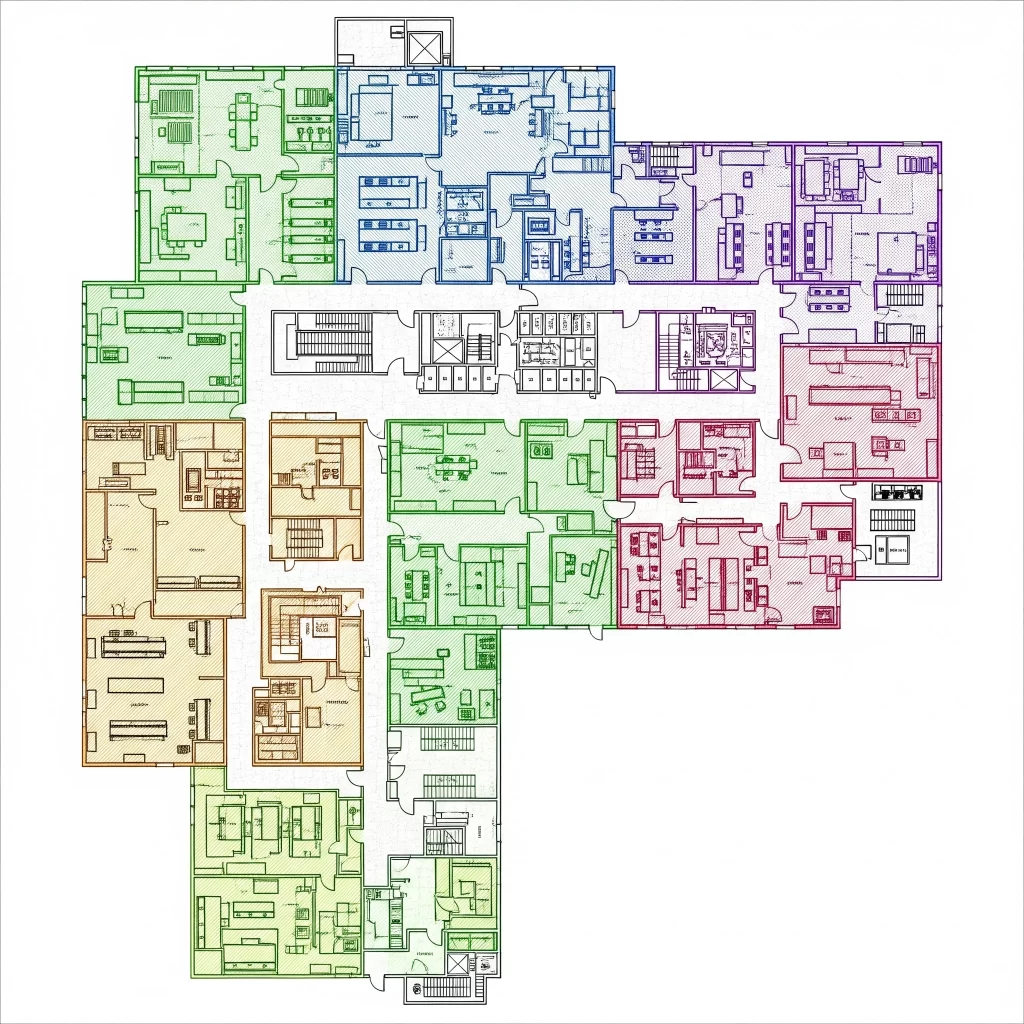
Floor space utilization is a method to quantify how the floor space of a facility or area is being occupied. Floor space utilization is just a part of the bigger picture analyzing a plant layout. Floor space utilization can be used for multiple purposes such as understanding and identifying improvements that can be made to a current layout, or it can be used to analyze and compare multiple proposed layouts based on manufacturing space, office space, safety, etc.
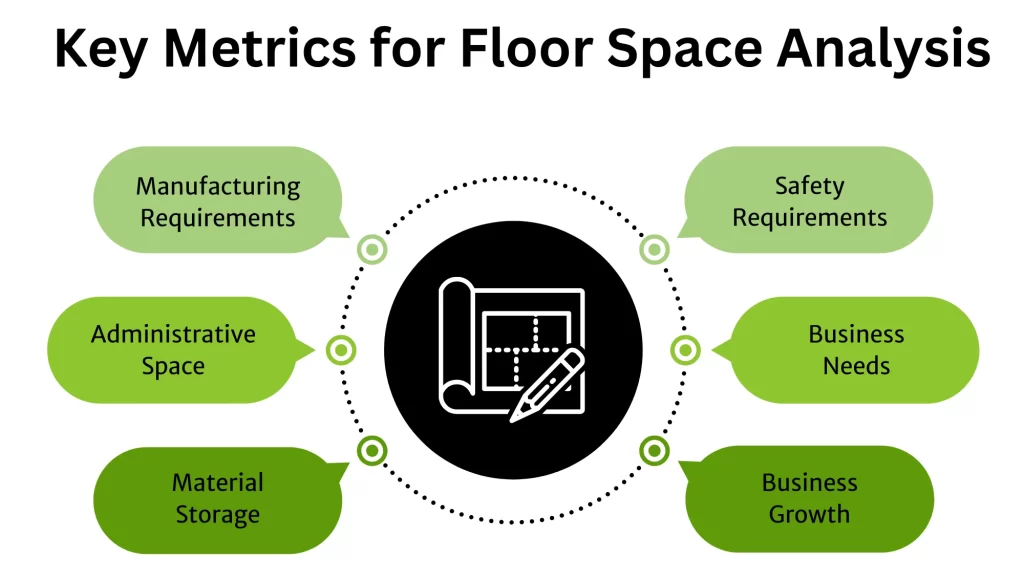
A floor space analysis is critical to making efficient use of a facility’s floor space and identifying areas for improvement. Floor space analysis is used to summarize all or part of a facility’s floor space and includes details on what each section of floor space is utilized for. This tool is used to identify the amount of floor space required for different business needs and compare the floor space requirements with current and/or future states. A floor space analysis can be utilized to analyze a current or proposed layout and provides a metric for comparing different layout options.
To quantify space utilization there are a few factors to consider:
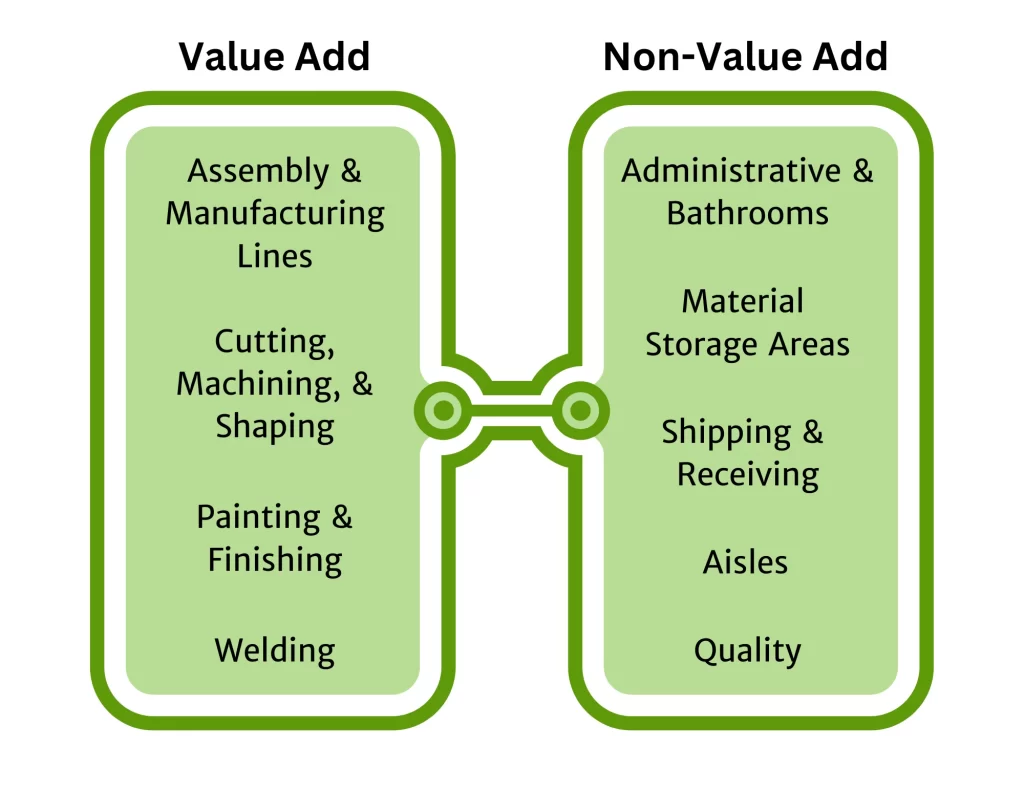
Among all your specific space considerations, all areas will fall under value added or non-value added spaces. Value added space includes areas within the facility where activities directly contribute to the creation of the finished product; this consists of your assembly lines, fabrications, subassemblies, etc. Non-value added spaces consist of areas that do not directly contribute to the creation of the finished product; this consists of administrative areas, material storage, aisles, etc.
It’s important to understand that while areas that fall under non-value added should be assessed to identify any room to reduce its floor space, some non-value added spaces are necessary and may be required for a facility to function properly.
Many facilities have areas in which value added space is lost to common causes that could instead be used to improve the footprint of value-added spaces. Some common causes include:

Excess or poorly managed inventory taking up excessive floor space

Obsolete or unused equipment left on the floor
Bad flow of materials can lead to additional aisles

Improper work center density causing too densely packed or too widely spread materials and equipment

Dispersed office locations adding additional administrative space to the production floor

Identifying these issues can be the first step in improving your floor space utilization.
To complete an accurate floor space analysis, it’s recommended to utilize the following tools and techniques:
Your floor space is one of your most valuable and costly assets. By analyzing and optimizing how it’s used, you can unlock hidden capacity, boost efficiency, and support future growth. Don’t wait for cramped conditions to force a change, take a proactive approach to get the most out of every square foot.
Contact us today to learn how our experienced industrial engineering team can help you analyze, optimize, and maximize your manufacturing floor space.
Contact Us